
31 May – World No Tobacco Day
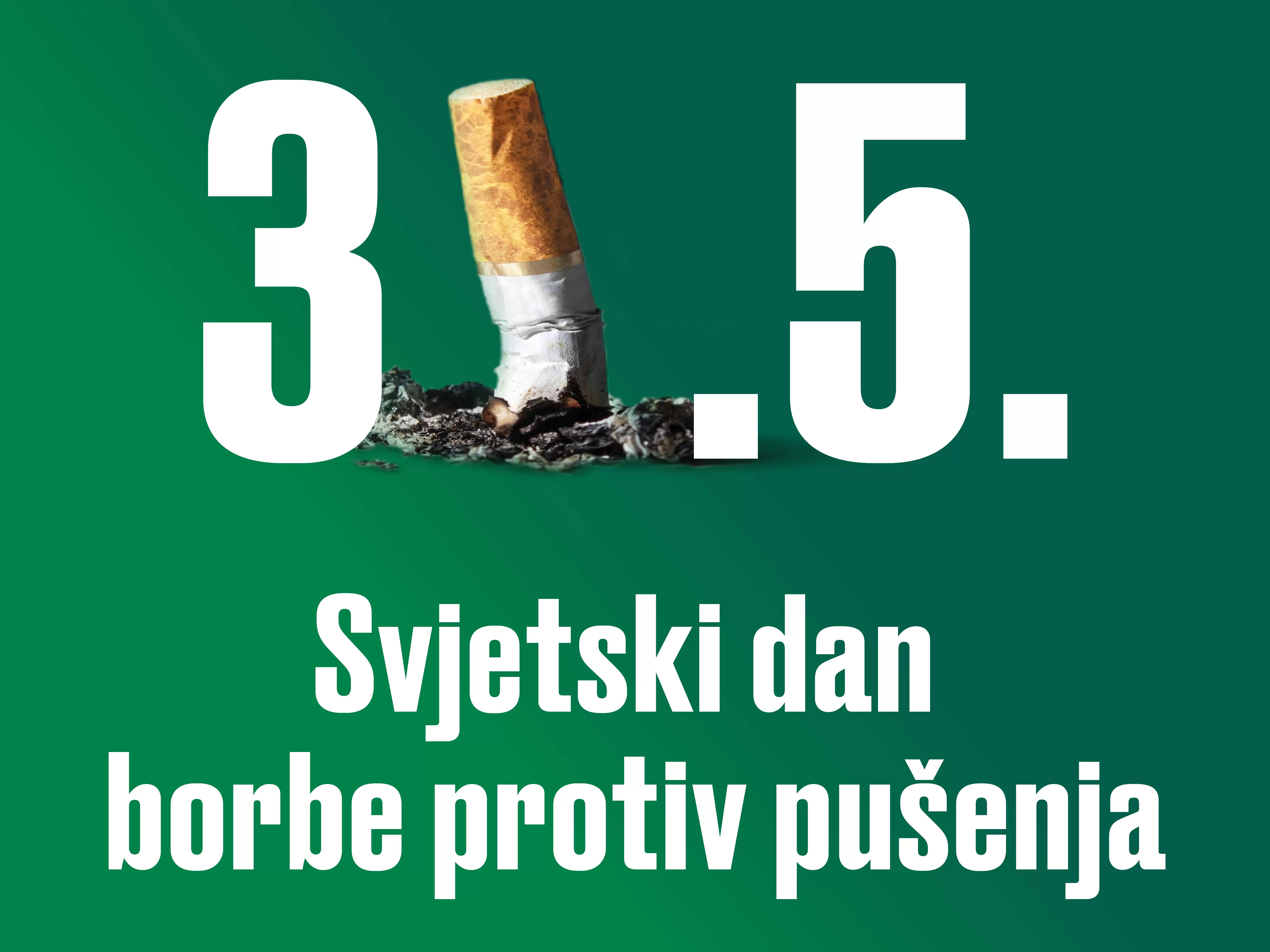
World No Tobacco Day is observed every year on 31 May, at the initiative of the World Health Organization (WHO). This day was established in 1987 with the aim of raising awareness of the harmful consequences of using tobacco and nicotine products and encouraging people to quit smoking. 1
On this occasion, Unifarm actively participates in raising awareness of this issue through educational activities aimed at healthcare professionals and the general public.
Key facts:
Among WHO regions, Europe has the second-highest prevalence of tobacco use among both adults (25.3%) and adolescents (10.8%).
In the WHO European Region, 18.5% of women aged over 15 used tobacco in 2022.
As of 2021, approximately 10.8% of adolescents aged 13–15 in the WHO European Region used tobacco, representing an estimated 4 million people.
Eighteen percent of deaths from noncommunicable diseases (NCDs) in Europe in 2020 were attributed to tobacco use.
Among females, the European Region has the highest average rate of tobacco use globally.2
The tobacco epidemic is one of the greatest public health threats the world has ever faced, killing more than 8 million people worldwide every year. More than 7 million of these deaths are the result of direct tobacco use, while around 1.3 million result from exposure of non-smokers to tobacco smoke. Among WHO regions, Europe has the second-highest prevalence of tobacco use among adults (25.3%) and adolescents (10.8%).2
The proportion of deaths from cardiovascular diseases (heart disease, stroke and others) due to tobacco use is estimated at 25% among men and 8% among women. The overall proportion of cancer deaths attributed to tobacco is 37% among men and 15% among women.2
Are there immediate and long-term health benefits of quitting smoking for all smokers?
Yes, the health benefits of quitting smoking include:
✓ Within 20 minutes, your heart rate and blood pressure decrease.
✓ Within 12 hours, the carbon monoxide level in your blood returns to normal.
✓ Within 2–12 weeks, your circulation improves and lung function increases.
✓ Within 1–9 months, coughing and shortness of breath decrease.
✓ After 1 year, your risk of coronary heart disease is approximately half that of a smoker.
✓ After 5 years, your risk of stroke decreases to that of a non-smoker 5 to 15 years after quitting smoking.
✓ After 10 years, your risk of lung cancer falls to approximately half that of a smoker, while the risk of cancers of the mouth, throat, oesophagus, bladder, cervix and pancreas decreases.
✓ After 15 years, your risk of coronary heart disease is the same as that of a non-smoker.4
Observing this day reminds individuals, communities and institutions that, through joint action, they can contribute to creating a healthier, tobacco-free society.3
Unifarm supports activities focused on education, preventive measures and support for people who want to quit smoking, which represent key steps in reducing the health risks associated with smoking.
References: